
Stress Eating vs. Real Hunger: How a High-Cortisol Work Week Changes What You Actually Need to Eat
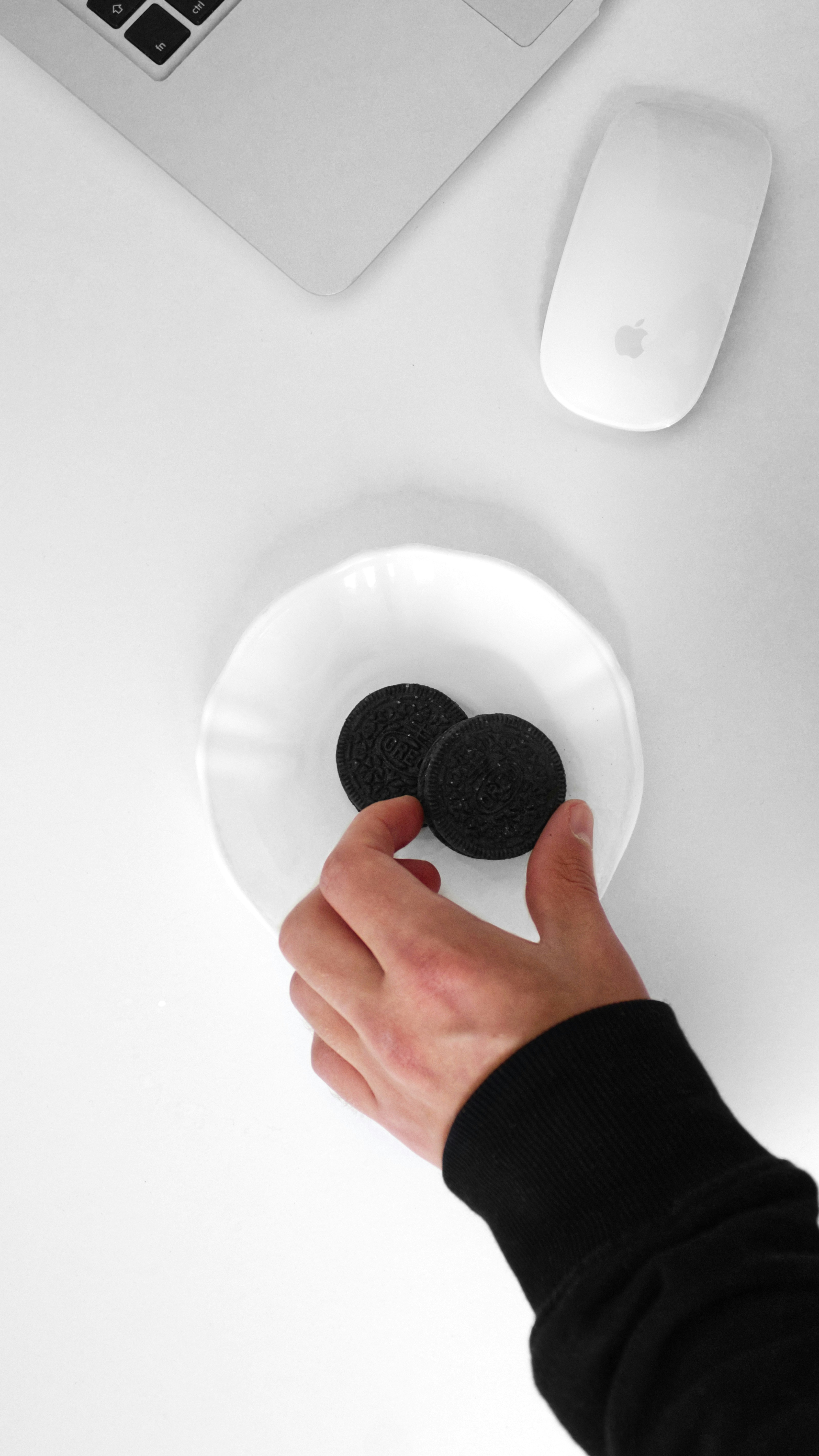
It's 4:15 on a Tuesday. You've been in back-to-back calls since 9, the board deck isn't where it needs to be, and your hand is in the snack drawer before your brain has said a word about it. Twenty minutes later you're not full, you're not satisfied, and you're annoyed at yourself for "having no discipline" again.
Here's the part nobody tells high-performers: that wasn't a discipline problem. It was cortisol doing exactly what cortisol does.
Stress hunger and real hunger are two different signals
Real hunger builds. It starts as a quiet, physical cue — low energy, a faint stomach growl, trouble concentrating — and it's happy with almost anything: an apple, leftovers, a protein shake. Stress hunger shows up differently. It's sudden, it's specific (it wants the chips, not the chicken), and it usually lands during or right after the highest-pressure block of your day — the investor call, the missed deadline, the fire that just landed in your inbox.
That's not a coincidence. Cortisol — your primary stress hormone — does three things that quietly rewrite your appetite on a hard day:
- It spikes blood sugar, which then dips hard, and your brain reads that dip as "feed me now."
- It increases cravings for fast-dopamine food — sugar and refined carbs specifically — because your brain is looking for a quick reward after a draining stretch of focus.
- It dulls the signals that normally tell you you're full, so a stress-eating session rarely stops at "satisfied."
None of that is a willpower failure. It's biology responding to a demanding week exactly the way it's designed to. The problem isn't that you lack discipline — it's that nobody ever built you a system for the version of you that exists on a high-cortisol day, only a plan for the version of you on a calm one.
Why "just have more willpower" was always going to fail
Willpower is a finite resource, and it's already spent by 4pm on a day like that — on the decisions, the difficult conversations, the inbox. Asking yourself to also win a fight against your own hormones with whatever willpower is left over is not a fair fight, and it's not the one that actually needs winning. The fix isn't more resolve. It's a system that doesn't put you in that fight in the first place.
The fix: protein floors and calorie ceilings, not a meal plan you'll abandon by Wednesday
This is exactly why we don't hand clients a rigid meal plan. A meal plan assumes every day looks the same. Your week doesn't. What holds up on a chaotic week is a protein floor (a minimum you hit no matter what — at every meal, including the ones eaten in the car) and a calorie ceiling (a number you don't need to track to the gram, just stay under). That structure does two things a meal plan can't: it blunts the blood-sugar crash that triggers stress hunger in the first place, and it gives you a boundary that still has room for the client dinner, the plane snack, or the 9pm handful of something when a day goes sideways.
The goal was never zero cravings. It's building a system where one hard afternoon doesn't quietly turn into a hard week.
A 10-second gut-check for the next time it happens
Before you open the drawer, ask one question: did this hunger build over the last hour, or did it appear in the last five minutes, right after something stressful? Slow-building and open to anything — that's real hunger, go eat. Sudden, specific, and tied to a spike in pressure — that's cortisol talking. Drink some water, hit your protein floor at your next real meal, and give it 15 minutes. Most of the time, the "starving" feeling isn't about food at all.
What actually changes when someone's coaching you through this
This is the piece a high-performer's own research usually misses — the information about cortisol and stress hunger is out there, but knowing it and catching it at 4:15 on a Tuesday are different skills. That's what the accountability side of coaching is actually for: someone who adjusts your plan around the week you're having instead of pretending every week is calm, who catches the pattern before it becomes a 10-day slide, and who treats one rough afternoon as data, not a failure to confess.
We've run this exact system with 1,200+ clients — including NFL, NBA and UFC athletes who know a thing or two about performing under pressure — and it's part of why the program carries a 4.9/5 rating and a 98% 5-star review rate. Not because the stress goes away. Because the plan was built to survive it.
If your weeks look like this one — and the 4pm drawer is becoming a habit instead of a once-in-a-while thing — apply for a 1-on-1 discovery call and let's build a system for the week you actually have, not the one you wish you had.